
Short answer
Palladium plates over nickel. Degrease at 10 to 12V DC, plate nickel at 5 to 6V (with a copper flash first on steel or brass), then stroke the palladium pen over the nickel at 6 to 8V. It deposits about 0.5 µm in 2 minutes on a 1 in² area, up to 1.5 to 1.8 µm. The pen is $140.
This job is done with brush plating, a form of selective plating that puts metal only where the pen tip touches.
Where a palladium pen fits
- Contact surfaces that need a tarnish-resistant white-metal finish
- Repair and touch-up of palladium-plated contacts without sending the part out
- Prototype and experimental work on contact surfaces
- Jobs that call for a white finish where the brightness of rhodium is not required
The pen is for selective work on small areas. Whole parts and production lots belong on a plating line.
Palladium needs nickel under it
The Palladium pen plates over nickel. On a nickel surface you degrease and plate. On anything else, the nickel goes down first, and steel, brass and zinc die-cast get a copper flash before the nickel.
| Base metal | Sequence |
|---|---|
| Nickel | Degrease, then palladium |
| Copper | Degrease, nickel, then palladium |
| Brass, steel or zinc die-cast | Degrease, copper flash, nickel, then palladium |
| Stainless steel | Stainless degreaser, copper flash, nickel, then palladium |
| Aluminum | Not supported by the Micro-Metallizer system |
Step by step
- 01
Remove oxide and discoloration
If the surface is discolored or oxidized, polish it with a fine metal polish until the oxide is gone, then wipe it clean with a lint-free cloth.
- 02
Degrease at 10 to 12V
Set the supply to 10 to 12V and use the Absorbent / Degreaser pen (PL-1002). Connect the part to the negative (−) lead of the power supply and the pen to the positive (+) lead. Hold the pen so the whole tip touches the surface, and move it lightly back and forth in a slow stroke. Small bubbles form as oil and grease come off. Wipe the area clean with a cloth when done. Stainless steel takes the Stainless Steel Degreaser pen (PL-1014) instead.
- 03
Build the nickel base
On steel or brass, flash copper with the Copper pen (PL-1010) at 6 to 8V. Then plate nickel with the Nickel pen (PL-1006) at 5 to 6V. Wipe clean with a cloth between pens. Skip this step if the surface is already nickel.
- 04
Plate palladium at 6 to 8V
Set the supply to 6 to 8V and switch to the Palladium pen (PL-1015). Connect the part to the negative (−) lead of the power supply and the pen to the positive (+) lead. Hold the pen so the whole tip touches the surface, and move it lightly back and forth in a slow stroke.
- 05
Build to thickness
The palladium pen deposits about 0.5 µm in 2 minutes and 0.8 µm in 3 minutes on a 1 in² area, up to 1.5 to 1.8 µm.
- 06
Wipe clean
Wipe the part with a clean, soft cloth.
Order the parts for this job
In stock. Ships same day on orders placed by 2 PM ET on business days.
- Palladium Plating PenPL-1015$140.00
- Contact Repair KitPL-1000C$400.00
- Nickel Plating PenPL-1006$70.00
- Absorbent / Degreaser PenPL-1002$65.00
Palladium or rhodium
| Palladium (PL-1015) | Rhodium (PL-1011) | |
|---|---|---|
| Price | $140 | $310 |
| Voltage (DC) | 6 to 8V | 8 to 10V |
| Plates over | Nickel | Nickel |
| Deposit in 2 minutes | 0.5 µm | 0.7 µm |
| Solution cost per square inch | about $0.47 | about $1.03 |
| Choose it for | A tarnish-resistant white finish at lower cost | The hardest, brightest finish in the line |
Cost per square inch is the list price divided by the roughly 300 square inches each pen covers.
What you need
The Palladium pen ($140), Nickel pen ($70), Absorbent / Degreaser pen ($65), power supply ($220) and connector cables ($20) come to $515. Add the Copper pen ($65) for steel or brass.
The Contact Repair Kit ($400) already has the power supply, cables, degreaser and nickel pens, plus a 24K gold pen. Adding the Palladium pen to the kit comes to $540, which is $25 more than the parts bought separately and gives you gold as well.
Frequently asked questions
Can you plate palladium with a pen?
Yes. The Palladium pen (PL-1015) brush plates palladium over nickel at 6 to 8V DC, with no tank.
Does palladium need an underlayer?
Yes. Palladium plates over nickel. On copper, plate nickel first. On steel, brass or zinc die-cast, flash copper, then nickel, then palladium.
How thick is brush-plated palladium?
About 0.5 µm in 2 minutes and 0.8 µm in 3 minutes on a 1 in² area, up to 1.5 to 1.8 µm.
What does palladium plating with a pen cost?
The pen is $140 and covers roughly 300 square inches, so about $0.47 of solution per square inch. Precious metal pen prices can change with metal markets.
Do you offer palladium plating as a service?
No. Hunter Products sells the equipment so you can plate in house. For whole parts or production lots, use a plating shop.
Shop the parts in this guide
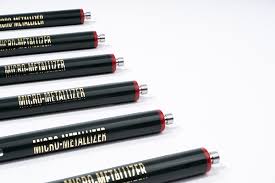
Palladium Plating Pen
Plate palladium for corrosion-resistant, tarnish-proof finishes. Widely used in electronics as a white-metal alternative to rhodium.
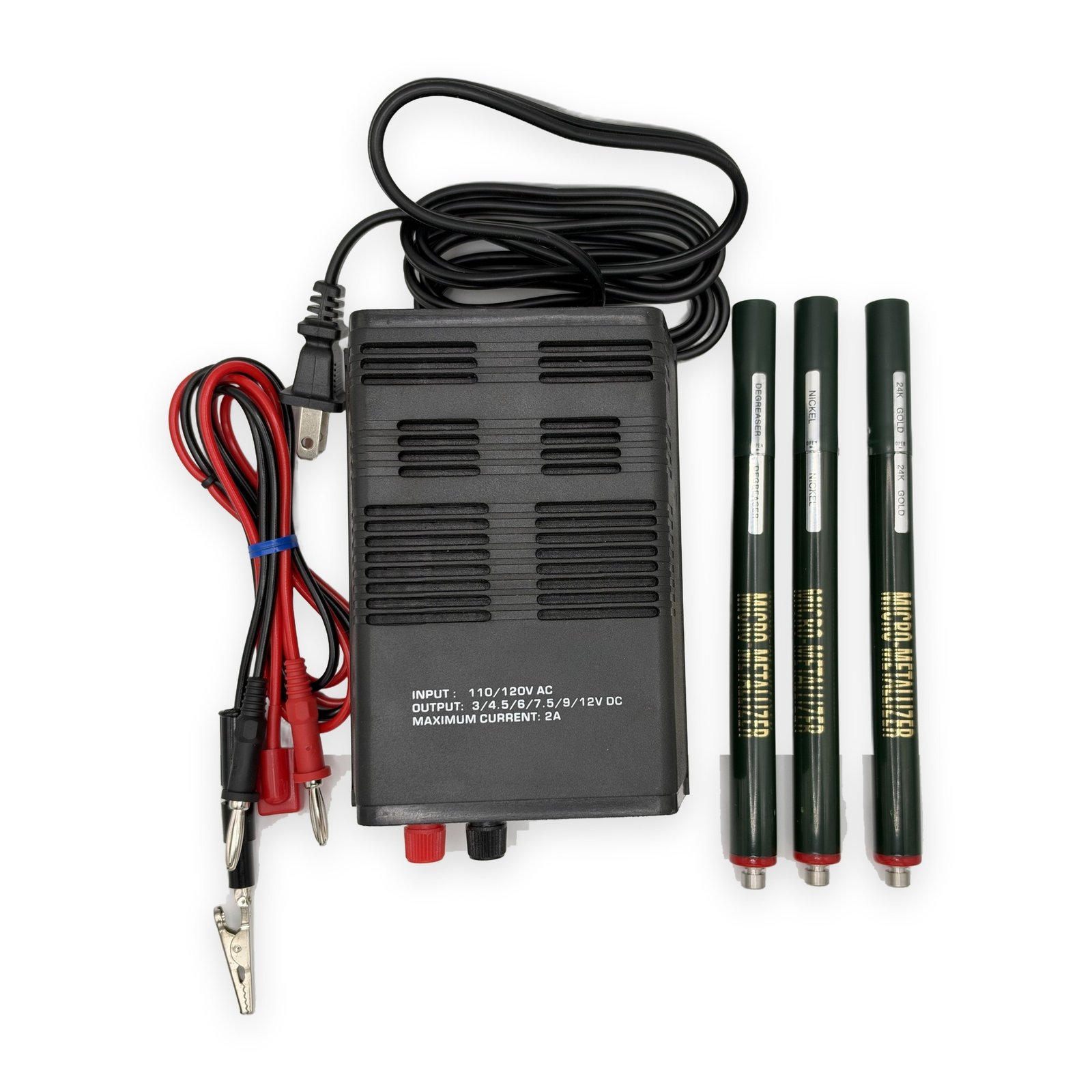
Contact Repair Kit
Complete repair kit for electronic component restoration. Includes power supply, connector cables, Absorbent, Nickel, and 24K Gold pen.
110V / 220V · choose in cart
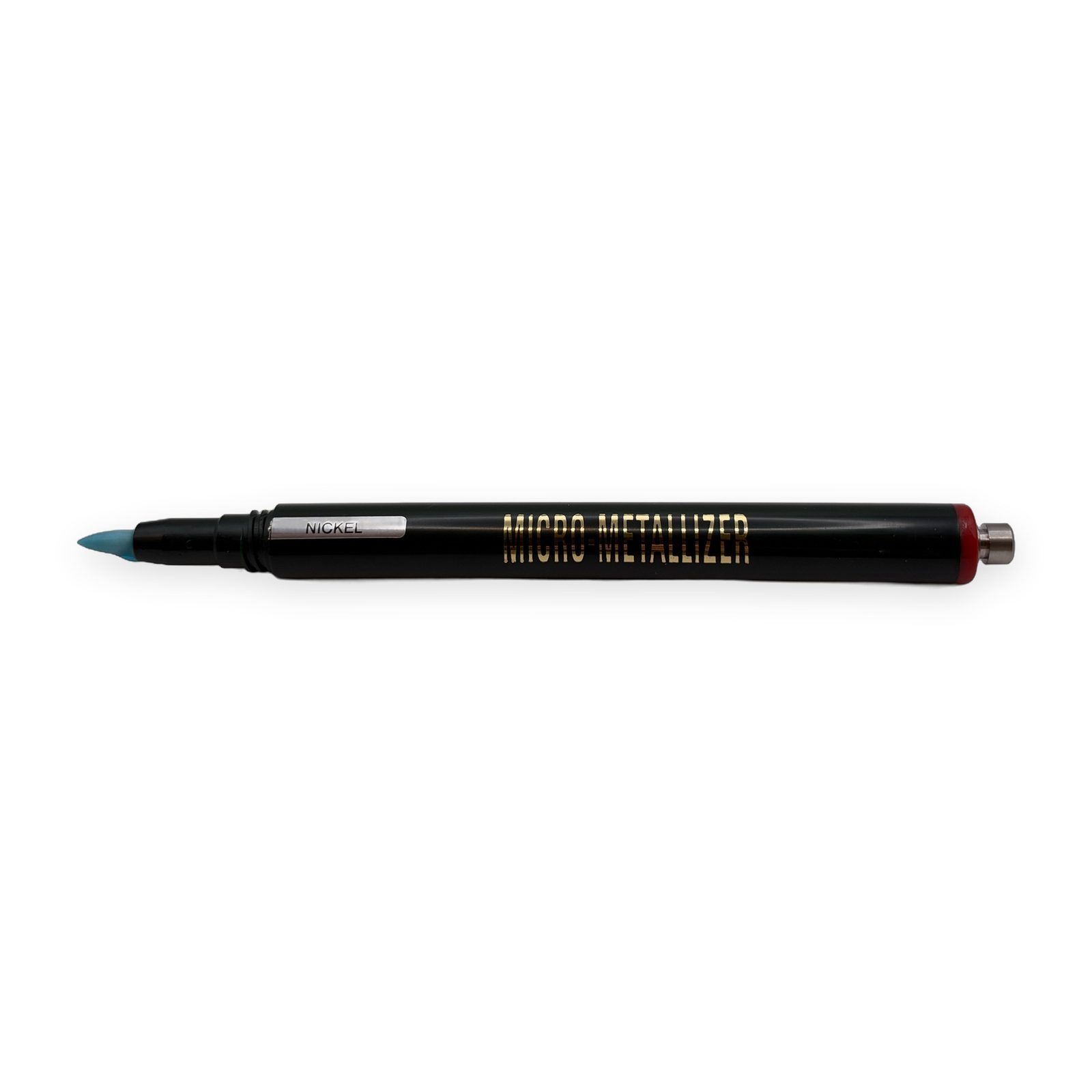
Nickel Plating Pen
Plate nickel over copper surfaces. Apply copper flash first on non-copper substrates. Essential underlayer for many plating sequences.
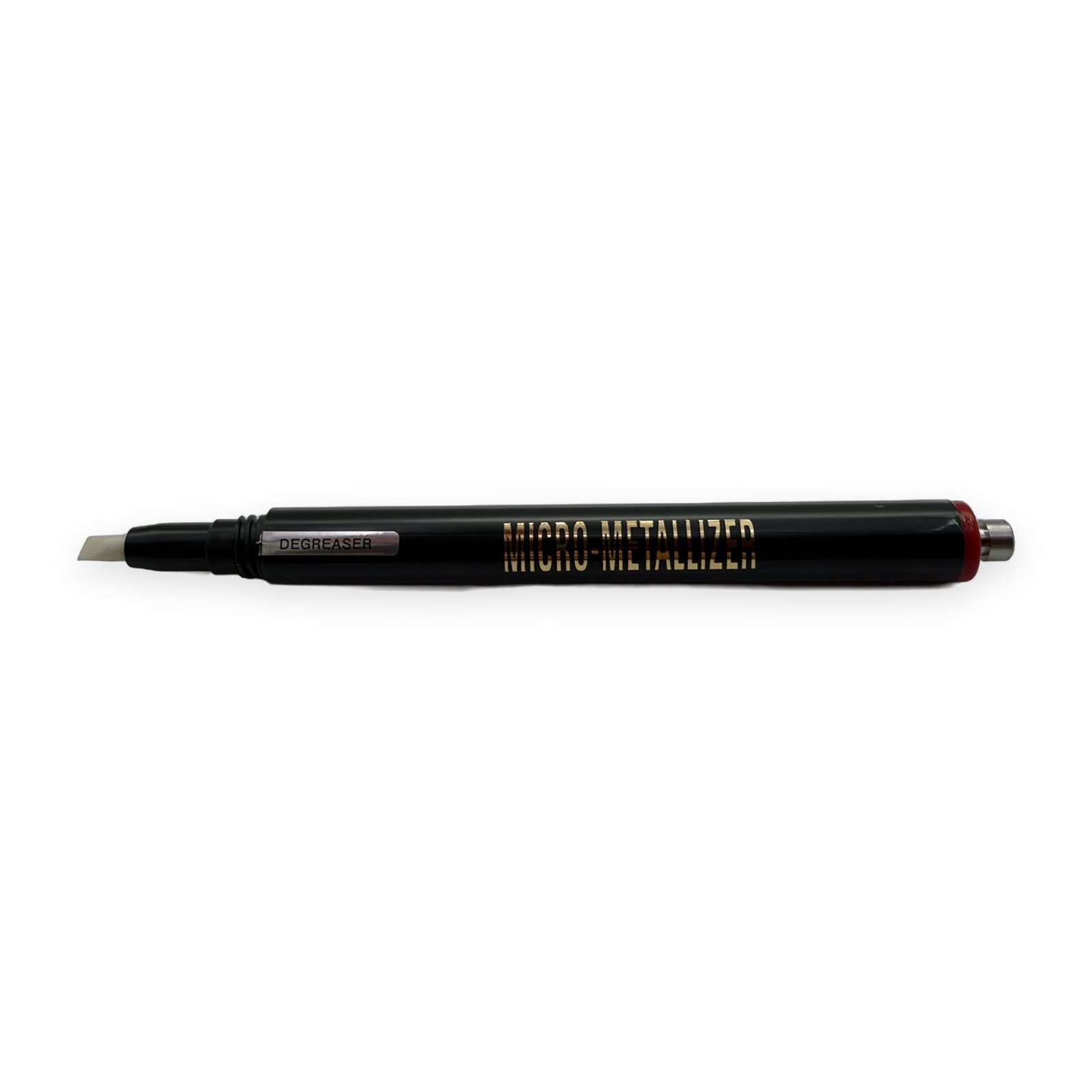
Absorbent / Degreaser Pen
Essential first step in any plating process. Cleans and degreases all metal surfaces (except stainless steel) before plating.
Not sure which pens your part needs?
Tell us the substrate and the finish you need. Our team will tell you the sequence.